
Sound Insulation Materials
Sound Insulation is Eco-Friendly
If noise is constant, it has negative effects on human health and psychology. To prevent this and for a comfortable life, sound insulation must be done. You can get information from companies on internet pages for sound insulation and all other types of insulation.
What are the Materials Used in Sound Insulation?
Having sound insulation both minimizes noise pollution in the environment and positively affects human health. In Europe, the sound insulation system has been made mandatory. It is also mandatory in some areas in our country. For example, in cinema halls and nightclubs. Thus, it will not disturb the surrounding residential areas and noise will not spread pollution. For this reason, sound insulation is important for a healthy environment. Sound insulation materials are products that regulate the reverberation time in an enclosed space and convert sound energy into mechanical energy with the resistance they show, and they are absolutely necessary. Some of these products are:
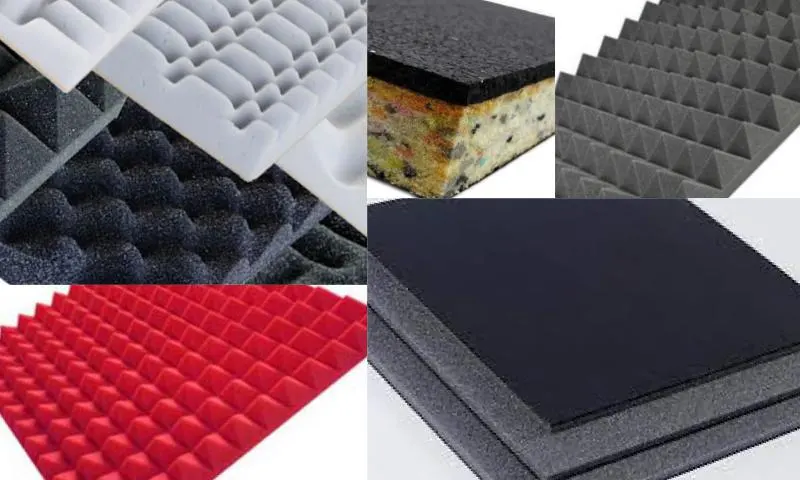
- Building insulation, wall, floor, roof applications. These also contain their own products, rock wool, glass wool, wood wool, soft polyurethane-based foams, melamine foam, felts, perforated metals, perforated woods, perforated plasterboards, and cork. Floor Applications are used to prevent impact or sudden noises. These materials are polyethylene, rubber foam, materials made from textile waste.
- Insulating glass units are acoustic laminated glass solutions in sound insulation.
- Technical (industrial) insulation is an application such as hangers, springs, mufflers, polyurethane, rubber foam, rock wool, polyethylene.