
The Natural Importance of Soil
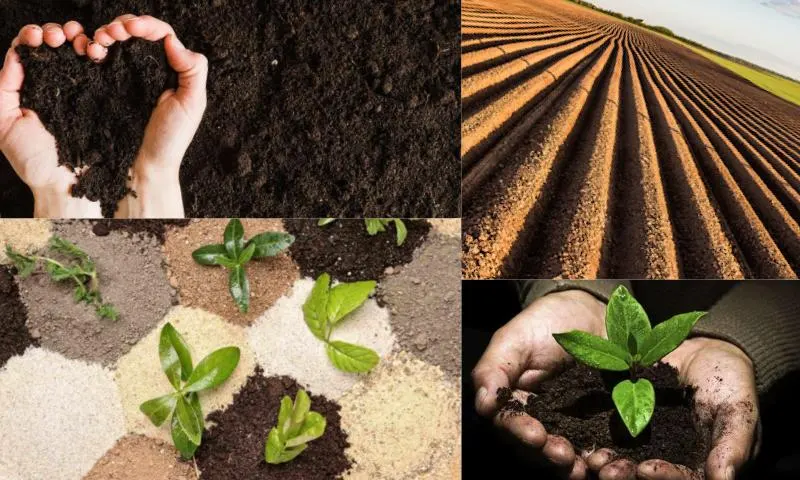
Soil is one of the most important natural resources on our planet and forms the basic building blocks of all ecosystems. Plants grow with the nutrients they receive from the soil and produce oxygen in the atmosphere through photosynthesis. This process is indispensable for all living beings to sustain their lives. Soil also feeds underground water resources by ensuring water absorption. As rainwater seeps into the soil, it supports underground flows, which balances the water cycle in the environment. Soil also provides habitat for numerous organisms. Earthworms, bacteria, and other microorganisms live in the soil and maintain the natural cycle by establishing a symbiotic relationship with plants. Soil not only helps plants grow but also preserves biodiversity. Natural vegetation thrives thanks to the soil, and these plants become a food source for animals. Furthermore, organic matter accumulated in the soil helps regulate the carbon cycle and control carbon dioxide levels in the atmosphere. This cycle plays a critical role in combating climate change. Without soil, it would not be possible to achieve this balance. For information on this subject and to ask your questions, you can look at relevant online companies on web pages and review them in detail from here.
The Agricultural Function of Soil
Throughout history, humans have used soil for agricultural activities and built their civilizations with it. Agriculture has been a fundamental activity to meet humanity's nutritional needs, and soil has been at the center of this process. Soil provides the water, minerals, and air necessary for plant growth. These factors are important for productive agriculture. Fertile soils allow for higher yields and the production of quality products. However, today, soil fertility is negatively affected by overuse and poor farming practices. Chemical fertilizers, pesticides, and monoculture farming are among the factors that threaten soil health. For these reasons, sustainable agricultural practices are of great importance to ensure the continuity of food production while protecting soil health. Preserving the natural structure of the soil and maintaining the balance of the ecosystem allow for healthier and safer food production.
Soil Pollution and Protection Methods
Soil pollution is caused by factors such as industrial waste, chemical fertilizers, agricultural chemicals, and unplanned urbanization. Polluted soil hinders the healthy growth of plants and disrupts the ecosystem balance, leading to the loss of biodiversity. Polluted soil can also lead to water pollution, as pollutants can seep into groundwater resources and negatively affect the environment. To prevent soil pollution, environmentally friendly farming techniques must be adopted. Organic farming improves soil health by using natural fertilizers. Furthermore, increasing recycling methods and properly managing chemical waste can help reduce soil pollution. Proper soil management, avoiding excessive fertilizer use, and preserving the natural structure of the soil are of critical importance for a sustainable environment. In conclusion, soil is the most valuable of natural resources, and its protection is vital for a sustainable life. Protecting soil guarantees not only the environment but also the future generations' living in a healthy world.