
Cable Cross-Section Calculation
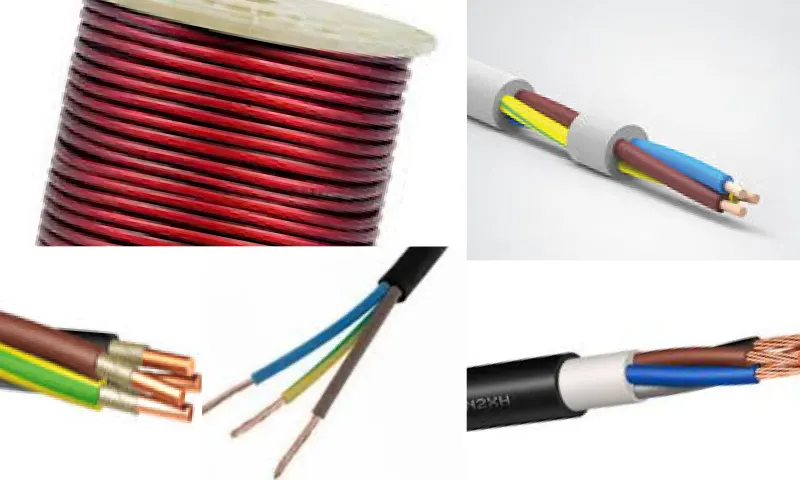
How to Calculate Cable Cross-Section?
There is almost no area in our lives and workplaces where we do not use electrical energy. However, on the other hand, we need to choose the right cables. You can perform the cable cross-section calculation by using the pages. For example, in cable selection; we need to correctly determine environmental conditions, performance and reaction changes, energy values, and signal transmission and distribution systems. In short, when determining the type of cables, we must calculate the environmental usage conditions, external effects, possible environmental conditions, and reactions. After determining the cable type according to these possible alternatives, the electrical cross-section calculation, i.e., Cable Cross-Section Calculation, should be performed. In short, for safe electrical systems; an analysis of the current power + possible additional power should be made. The dimensions of the conductor, the limit values of the insulating polymer material, the current value, and the maximum resistances in international standards must be determined.
What Can Happen If the Cable Cross-Section Calculation is Done Incorrectly?
When calculating the cable cross-section; current carrying capacity, voltage drop, and short-circuit current must be taken into consideration. Current Carrying Capacity: This is the maximum current value at which the cable can be safely used without deterioration, based on temperature. Voltage Drop: This is the decrease in voltage due to the losses in the internal resistance of the cable from the source to the load. As the transmission distance increases, this increasing loss requires the conductor cross-section to be widened. Short-Circuit Current: Current is a parameter that changes over time. If the selected cables are not chosen with appropriate cross-sections, the cable can be damaged as a result of heating, leading to different dangers and current interruptions. Therefore, cables suitable for the location and cross-section, resistant to heating, should be selected. The selected cables here should be of the most suitable diameter for the environment and the system. You may encounter risky consequences in the opposite case. Because small diameter cables can overheat and catch fire, causing undesirable situations such as fire.