
Physical and Mental Benefits of Swimming Training
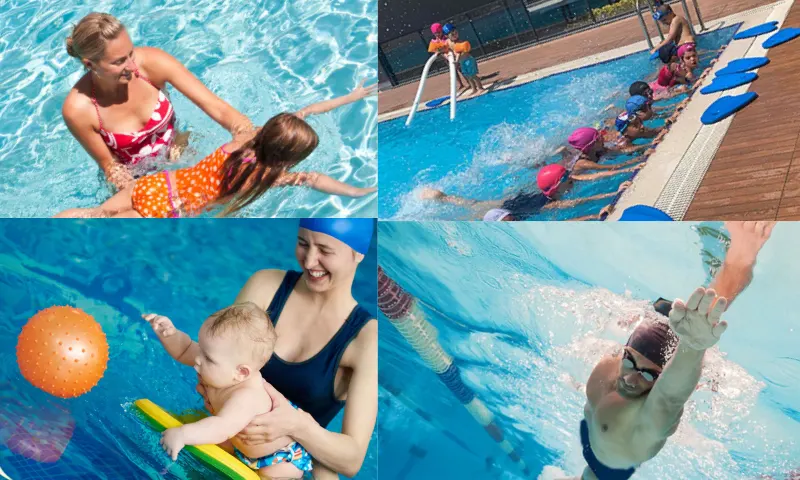
Swimming training has many positive effects on both the physical and mental health of individuals. Physically, swimming is an effective exercise that works all body muscles. Regular swimming increases muscle strength, supports cardiovascular health, and generally improves body endurance. Also, since swimming is a low-impact sport, it creates minimal stress on the joints, making it ideal for people of all ages. Regarding mental benefits, swimming reduces stress and improves overall mood. The relaxing effect of being in water creates a sense of calm and peace in swimmers. Furthermore, the release of endorphins by the body during swimming increases feelings of happiness and relaxation. Regular swimming training improves overall quality of life by supporting both physical and mental health. For information on this subject and to ask your questions, you can look at related online companies on web pages and examine them in detail from here.
Swimming Techniques and Basic Skills
Swimming training involves learning various swimming techniques and basic skills. At the beginner level, skills for getting used to the water and staying afloat are developed. In this stage, breath control and moving comfortably in the water are important. When it comes to swimming techniques, four main styles stand out: freestyle, backstroke, breaststroke, and butterfly. Freestyle is the fastest and most commonly used technique. Swimmers keep their bodies parallel to the water surface and move their arms and legs in a coordinated manner. Backstroke is a technique performed lying on the back, which makes breathing easier. Breaststroke is ideal for those new to water sports, as it requires slow and controlled movement. Butterfly, on the other hand, is one of the most challenging techniques and requires strong arm and leg movements with coordinated breath control. In swimming training, learning and applying these techniques correctly increases the swimmer's efficiency and speed in the water.
Importance of Safety and Discipline in Swimming Training
Safety and discipline are of great importance during swimming training. Safety must always be prioritized while learning and practicing swimming. Especially for children, ensuring safety in swimming pools and keeping them under constant supervision is vital. Swimming instructors must have first aid and water rescue skills to ensure the safety of their students. Furthermore, discipline is a critical factor in swimming training. Discipline is achieved through regular training and correct application of techniques. Swimming instructors should create a disciplined work environment by keeping students motivated and setting goals for them. Discipline is important not only for developing physical abilities but also for students to gain responsibility and self-confidence. Ensuring safety and discipline together makes swimming training more effective and successful. These two elements allow swimmers to both improve their skills and swim safely.