
Benefits of Swimming Training
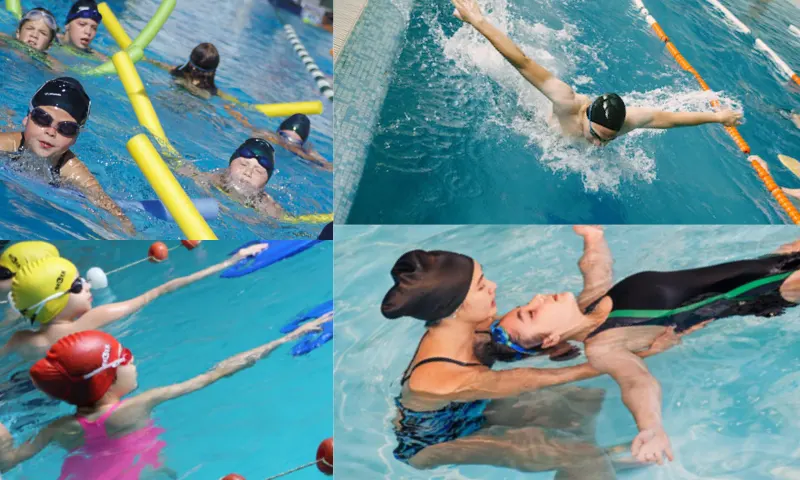
Swimming is a sport that is extremely beneficial for physical health. It has many positive effects on both the body and the mind. Swimming training strengthens muscles while working them without straining the joints. It increases overall body endurance and improves cardiovascular health. At the same time, it helps with weight control by accelerating calorie burn. Swimming is an excellent method for learning to balance the body and improve coordination. Exercises performed in water do not strain the joints excessively, making swimming an ideal sport for individuals with joint problems and the elderly. Furthermore, swimming training is also important as an activity that reduces stress and anxiety, and improves mental health. For information on this subject and to ask your questions, you can look at the relevant online companies on the internet pages and examine them in detail from here.
Age to Start Swimming Training and Tips
Swimming training is suitable for individuals of all age groups. For children, starting at an early age can help eliminate the fear of water and establish a more comfortable relationship with water. The ideal age for children is usually around 4-5 years old. At these ages, children are more inclined to explore water and learn basic swimming techniques. Adults can also receive swimming training. There is no specific age limit to learn swimming. In adults, since there may be more confidence and comfort issues when entering the water, the basics of swimming training are taught slowly and in a safe environment. During training, the focus is on basic skills such as breath control, entering and exiting the water.
Advanced Techniques in Swimming Training
Individuals who receive beginner-level swimming training can move on to more advanced techniques after learning the basic movements. Advanced swimming training is aimed at developing speed, endurance, and style. At this stage, different swimming techniques such as freestyle, backstroke, breaststroke, and butterfly are taught. At the advanced level, swimmers learn to move more efficiently in the water. In addition to swimming techniques, more technical skills such as diving, swimming in underwater tunnels, and preparing for competitions are also developed. Advanced levels of swimming training generally require more physical strength, speed, and coordination. In this process, professional instructors and regular training play an important role in a successful swimming career.