
Hazardous Waste Management
What is Hazardous Waste
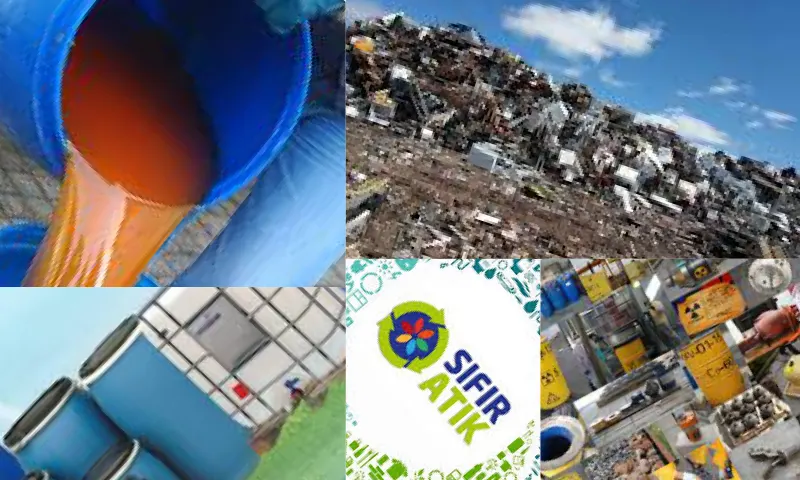
Waste management includes the collection, storage, and disposal of all types of waste, especially hazardous waste, in accordance with regulations. Waste must be managed within the general principles and obligations specified in the regulation; otherwise, legal action will be taken against responsible parties in accordance with the regulation. You can get information about hazardous waste and the Waste Management Regulation from companies on internet pages. Wastes that threaten public health and the environment and pose a potential danger are called hazardous waste. Their flammability, explosiveness, corrosivity, and toxicity are general characteristics. These wastes can arise from production or from discarded chemical products. Because they threaten public health and the environment, such wastes must be collected at the source, transported to waste facilities in appropriate vehicles, and stored and disposed of properly in these facilities.
Types of Hazardous Waste
Hazardous wastes, which can be solid, liquid, or gas, consist of: biologically derived organic wastes, special wastes, infectious wastes, inorganic wastes, lubricating oil wastes, chemically derived organic wastes. To express the hazardous wastes found in Turkey more concretely, we can list the following; motor, machine, and similar oils, paint cans, oil cans, chemical containers, oily vehicle parts, batteries, gloves, rags, fabrics contaminated with hazardous substance use, paint and varnish residues, cartridges and toners, mercury and fluorescent lamps. Disposing of these wastes randomly in the environment poses serious risks to human health as well as environmental pollution.