
What is Building Information Modeling (BIM)?
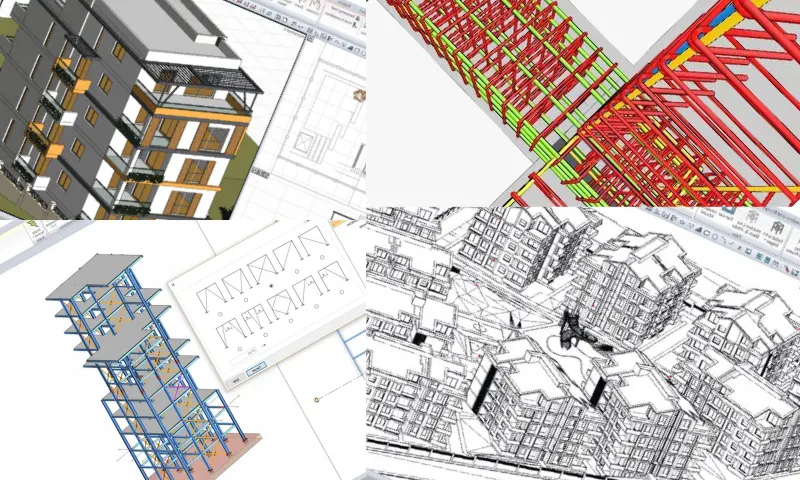
What is the Importance of Building Information Modeling in the Construction Industry?
Building Information Modeling (BIM) is an integrated software system used for the digital design, management, and analysis of construction and engineering projects. BIM enables the collection, storage, sharing, and utilization of information throughout the entire lifecycle of buildings and infrastructure projects. It integrates a wide variety of data types such as 2D and 3D visualizations, geometric and geographic data, and material and cost information into a single platform. This allows project stakeholders to access up-to-date and consistent information in real-time, optimize decision-making processes, and increase project efficiency. For more comprehensive information about Building Information Modeling, you can visit the web address: https://idecad.com/architecture-engineering-construction/building-design/what-is-bim-building-information-modeling/
What are the Advantages of Building Information Modeling?
Building Information Modeling represents a significant transformation in the construction industry. BIM's integrated database facilitates information flow throughout the entire project lifecycle, reduces errors, and improves quality. BIM software is used for complex engineering calculations such as energy analysis, environmental sustainability assessments, and structural analyses. The integrated approach offered by BIM creates a better environment for collaboration and communication among all project stakeholders. This allows projects to be completed on time and within budget, increasing work efficiency and customer satisfaction. There are many advantages to using Building Information Modeling. Thanks to its integrated database and automated processes, design and construction processes become faster and more efficient. Design and construction errors are significantly reduced through detailed 3D modeling and coordination capabilities. Project costs are managed more effectively by conducting cost and risk analyses in the early stages. It becomes easier to design environmentally friendly and energy-efficient buildings through energy analysis and environmental assessments.