
What is Psoriasis?
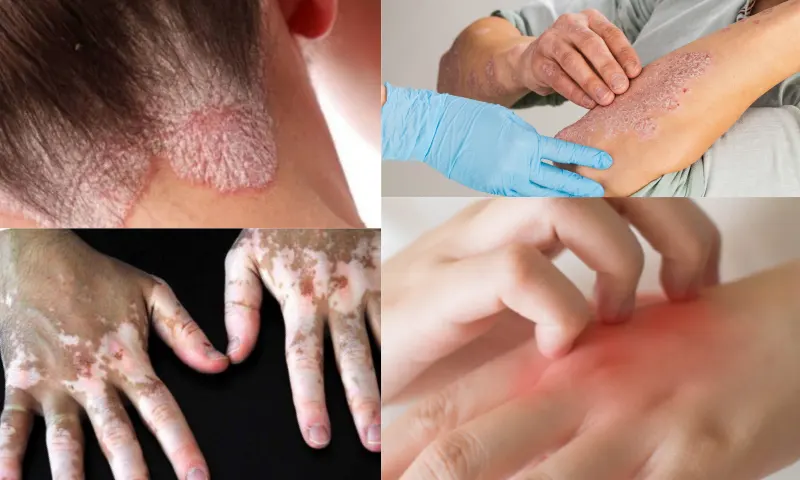
Psoriasis, medically known as psoriasis, is a chronic skin disease associated with the immune system. This disease causes skin cells to multiply much faster than normal. As a result, thick, scaly, and reddish plaques form on the skin. These plaques are usually seen in areas such as the elbows, knees, scalp, and back. Although the exact cause of psoriasis is not fully known, it is thought to result from a combination of genetic and environmental factors. People with a family history of psoriasis have a higher risk of developing this disease. In addition, trigger factors such as infections, stress, skin injuries, and certain medications can also cause the disease to flare up. Psoriasis is not contagious and is usually a lifelong condition. However, with appropriate treatment and management strategies, symptoms can be controlled and quality of life can be improved. For information on this topic and to ask questions you are curious about, you can look at relevant online companies on internet pages and examine them in detail from here.
Symptoms and Types of Psoriasis
The symptoms of psoriasis can vary from person to person and depend on the type of disease. The most common type is plaque psoriasis. In this type, thick, scaly, and reddish plaques form on the skin, and these plaques can often be itchy and painful. Guttate psoriasis is usually seen in children and young adults and is characterized by small, drop-shaped lesions. Pustular psoriasis manifests with white pustules (blisters filled with pus) and red skin. Inverse psoriasis occurs in skin folds (armpits, groin area) and causes smooth, red lesions. Erythrodermic psoriasis is one of the rarest and most severe types, characterized by widespread redness and scaling covering a large part of the skin. Symptoms of psoriasis can also include dry, cracked, and bleeding skin, nail changes (pitting, discoloration), and joint pain (psoriatic arthritis). The severity of symptoms can range from mild to severe, and symptoms may disappear completely during some periods.
Treatment Methods for Psoriasis
The treatment of psoriasis varies depending on the type and severity of the disease and the patient's general health status. Treatment generally aims to alleviate skin symptoms, stop the progression of the disease, and improve quality of life. Topical treatments are widely used for mild forms of psoriasis. These include corticosteroid creams, vitamin D analogs, retinoids, and calcineurin inhibitors. These medications reduce inflammation in the skin and slow down cell turnover. Phototherapy is an effective treatment option for moderate and severe psoriasis. UVB and PUVA light therapies help control the growth of skin cells and alleviate symptoms. Systemic treatments are used for severe psoriasis and psoriatic arthritis. These medications, taken orally and by injection, suppress the immune system and reduce disease symptoms. Methotrexate, cyclosporine, and biologic agents (e.g., TNF inhibitors, IL-17 inhibitors) fall into this category. Alternative and complementary therapies may also be beneficial for some patients. In addition to dietary changes, stress management, regular exercise, and moisturizer use, some herbal treatments and supplements may also alleviate symptoms. However, the efficacy of these types of treatments may not be scientifically proven, so it is important to use them under the advice and supervision of a doctor. Early diagnosis and a personalized treatment plan play a major role in controlling the disease.