
What are the Basic Properties of Polyanyonic Cellulose?
Why is Polyanyonic Cellulose Preferred in Drilling Fluids?
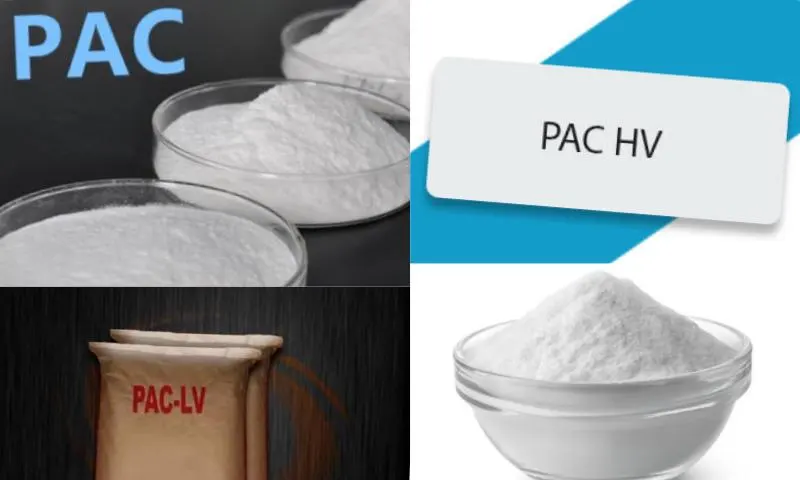
Polyanyonic cellulose is a water-soluble and highly stable polymer derivative obtained by chemically modifying natural cellulose. Also known as "PAC" in the industry, this substance is particularly known for its use in drilling fluids. Thanks to the anionic groups in its structure, it can interact strongly with liquids and regulate the flow properties of the solution. Adapting to different needs with its low-viscosity and high-viscosity varieties, polyanyonic cellulose offers both technical and environmental advantages. You can visit the website https://aciselsan.com.tr/ to get detailed information about Polyanyonic Cellulose.
What are the Usage Areas of Polyanyonic Cellulose in Different Sectors?
Polyanyonic cellulose is used in drilling fluids primarily for filtration control. It plays a critical role in ensuring that the fluid sent underground during drilling adheres to the walls and prevents the well from collapsing. With the use of this substance, a thin and impermeable filter layer is formed on the well wall. Thus, while fluid losses are minimized, the efficiency of the drilling process is also increased. It allows for easier operation of the cutting bit by increasing the viscosity of the drilling fluid. The fact that polyanyonic cellulose dissolves easily in water-based systems and remains effective even at high temperatures makes it indispensable in this field. This product comes to the forefront especially in offshore drilling, where environmentally sensitive solutions are needed. Polyanyonic cellulose is not limited to the oil and natural gas sector; it is also found in many different fields such as pharmaceuticals, food, cosmetics, detergents, and paints. In the pharmaceutical sector, it is used to ensure controlled release of tablets or to act as a binder. In the food industry, it can be preferred as a thickener or stabilizer. In cosmetic products, it can be included in formulations to balance the structure of creams and lotions. In the detergent industry, it is encountered as an additive that helps preserve the color of laundry.