
The Historical Development of Glass Art

Glass art is among the oldest handicrafts in human history. First appearing in Mesopotamia and Egypt around 2000 BC, glassworking evolved over time with different techniques and gained artistic value. While glass beads and ornaments were particularly prominent in ancient times, stained glass art found an important place in religious structures during the Middle Ages. Today, glass art is used in many fields, from decorative objects to modern architecture. Glass art, which has developed in different geographies throughout history, has reached us as a cultural heritage with its aesthetic and functional properties. For information on this subject and to ask your questions, you can look at the relevant online companies on web pages and examine them in detail from there.
Techniques Used in Glass Art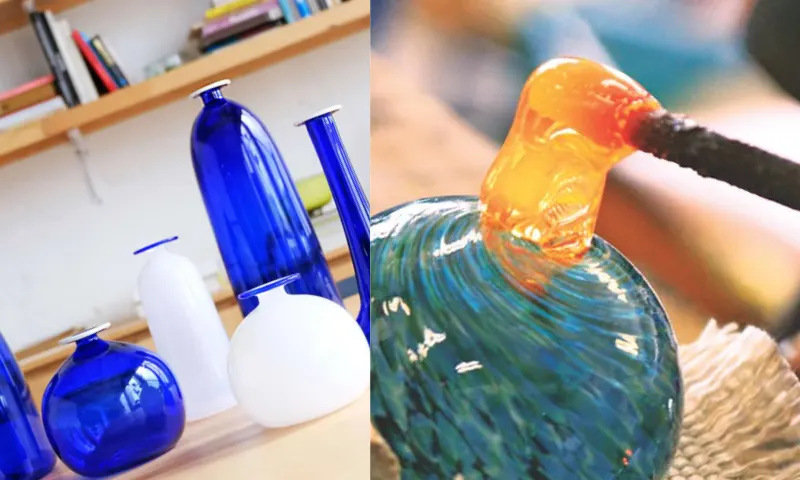
Glass art offers a very rich field of expression through the combination of different techniques. One of the most well-known methods is the blowing technique. With this method, molten glass is shaped by the breath power of masters, creating unique forms. Another important technique is the art of stained glass (vitray). Stained glass, made by joining colored glass pieces with lead strips, allows for an aesthetic play of light, especially in churches and mosques. Furthermore, the fusion technique emerges by melting and fusing glass pieces at high temperatures. Modern glass artists add a new dimension to the art with contemporary methods such as laser cutting, sandblasting, and engraving. This variety of techniques brings glass art together with both traditional and modern understanding.
The Place and Importance of Glass Art Today
Today, glass art is not only a decorative element but also a design tool that aesthetically enriches living spaces. Glass vases, objects, and lighting used in home decoration add elegance to spaces, while large-scale glass installations create a striking form of expression in art galleries. In addition, the aesthetic and functional use of glass in architecture gives buildings a modern appearance. Glass art is also a reflection of craftsmanship and creativity. Each piece reflects the master's effort and artistic vision. Therefore, glass art is of great importance for the preservation of cultural heritage and its transmission to future generations.