
What is an Echo and How is it Formed?
The Importance and Uses of Echo in Daily Life

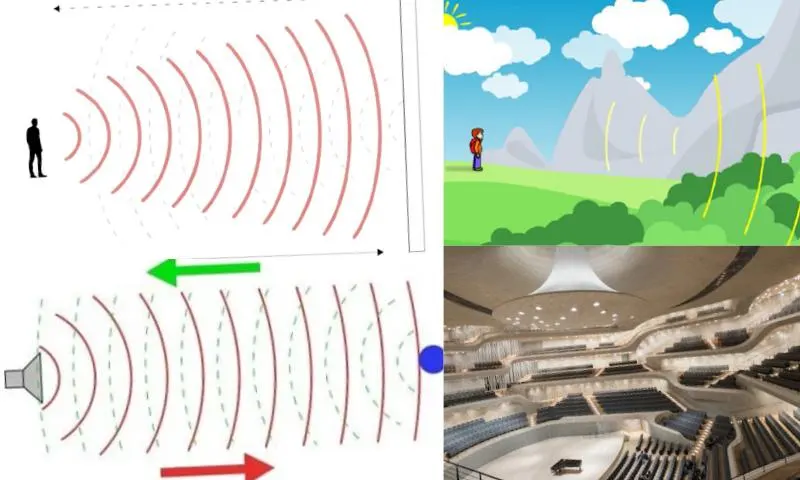
Echo is a phenomenon that we frequently encounter in daily life without realizing it. For example, the echoing of sound in large halls or empty corridors is a common occurrence. However, echo not only causes discomfort; it is also used beneficially in many areas. In architecture, especially in concert halls and theaters, the control of echo is of great importance when making acoustic arrangements. The echo needs to be balanced for the sound to be heard clearly and cleanly. Furthermore, echo principles are utilized in sonar technology and medical imaging techniques such as ultrasound. Submarines detect objects and obstacles by using the reflection of sound waves while scanning the ocean floor and its surroundings.
Interesting Facts About Echo and Echo Tests
Echo is not just a scientific concept; it also forms the basis for fun experiments. For example, many people discover how strongly their voices echo by performing an "Echo Test." In history, echo also holds an important place in mythology and literature. The word "Echo" in Greek means the reverberation of sound, and this name was attributed to a nymph in mythology who echoed. The measurement of echo in nature is also used in ecological research. Some animals, especially bats and dolphins, use echo principles to perceive their prey and surroundings. Through this biological echolocation method, they can orient themselves in darkness or murky waters. Echo is an acoustic phenomenon that plays an important role in both natural and human life. This sound reflection, which we encounter in daily life without realizing it, is beneficially utilized in many fields, from technology to art. If you haven't tried echoing in a large, quiet environment one day, definitely try it; hearing the return of your voice is a fascinating experience!