
The Evolving Role of the Component Manager in Modern Manufacturing
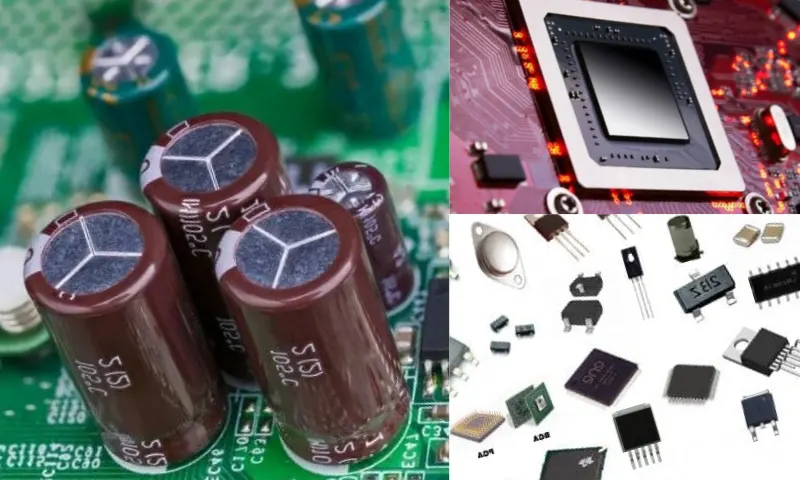
The Advantages of Component Managers in Smart Manufacturing Systems for Component Management
The component manager and smart manufacturing applications have become inseparable concepts in today's electronics industry. You can visit https://www.sceelektronik.com/komponentci/ for more information about the component manager. In the traditional manufacturing approach, they undertook operational tasks such as material preparation and inventory control; with the proliferation of smart manufacturing systems, their role has evolved into a more strategic structure. Today, they are at the center of a high-tech process working with digital tracking systems, barcode management, automated warehouse solutions, and ERP/MRP integrations.
The Strategic Contribution of the Component Manager in Data-Driven Manufacturing
When the component manager and smart manufacturing applications are evaluated together, a significant increase in efficiency is observed. Smart shelving systems automatically track inventory levels and provide alerts for missing materials. IoT-supported storage solutions continuously monitor the temperature and humidity values of materials, keeping MSL critical levels under control. This prevents potential failures in moisture-sensitive components even before production begins. Through barcode and QR-based material management, the traceability of each component is increased, and the risk of incorrect component feeding is minimized. Smart manufacturing applications create not only automation but also data-driven decision-making mechanisms. In this process, the component manager becomes an important source of information for production. When the component manager and smart manufacturing applications work together, data such as material usage reports, feeder preparation times, error analyses, and stock turnover rates can be collected instantly. Analyzing this data allows for more realistic forecasts in production planning. Furthermore, thanks to continuous monitoring systems, quality control processes are strengthened, and production costs are reduced. In this process, they serve as both a control point ensuring accuracy and an important operator feeding the data flow.