
The Cornerstone of Aviation: Piloting and the Responsibilities of Pilots
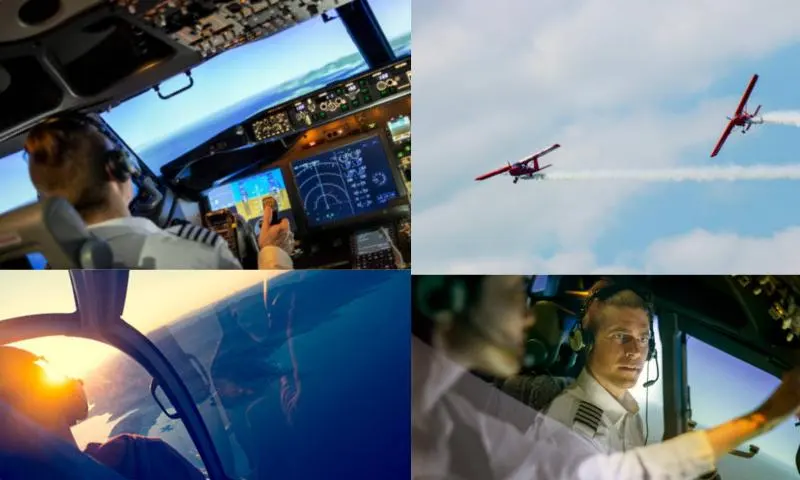
Piloting is the cornerstone of the aviation sector, and pilots bear the responsibility of safely managing aircraft and coordinating air traffic. Being a pilot involves not only flying aircraft but also a range of critical skills such as emergency management, meteorological understanding, navigation skills, and communication abilities. In this article, we will focus on the cornerstones of piloting and try to understand the responsibilities that pilots carry.
The Road to a Piloting Career: Education and Skills
The journey to becoming a pilot involves a rigorous training process, and aspiring pilots prepare for this exciting career by receiving theoretical and practical training at flight schools. Piloting education covers various topics such as flight skills, air traffic rules, emergency scenarios, and communication practice. Furthermore, it is important for pilots to receive continuous training and keep their skills updated. In this article, we will address the educational processes encountered on the path to a piloting career and the skills that need to be developed.
Piloting Evolving with Technological Advancements: Autopilot Systems and Future Pilots
The aviation industry is rapidly evolving with technological advancements, and autopilot systems are changing the roles of pilots. In this article, we will explore how autopilot systems are affecting piloting and how future pilots will need to adapt to this technology. At the same time, we will emphasize the importance of maintaining the balance between the human factor and automated systems and discuss how pilots can adapt to this changing environment.