Scuba Diving Training: The Door to the Underwater World

For those who want to explore the fascinating world of the sea, scuba diving training is a starting point full of adventure. Diving is not just a sport; it is also an opportunity to integrate with nature and get to know underwater life up close. Individuals who want to receive this training must be able to swim, remain calm underwater, and be in good physical health. Scuba diving training generally includes basic theoretical knowledge as well as practical applications. Topics such as underwater pressure equalization, dive planning, equipment use, and safety rules are taught in detail. With the certificate obtained at the end of the training, safe dives can be made at certain depths. The first step towards becoming a professional diver begins with getting the right training from a good diving school. For information on this subject and to ask your questions, you can check the relevant online companies on the internet pages and review them in detail from here.
Scuba Diving Training: Equipment Use and Safe Diving Techniques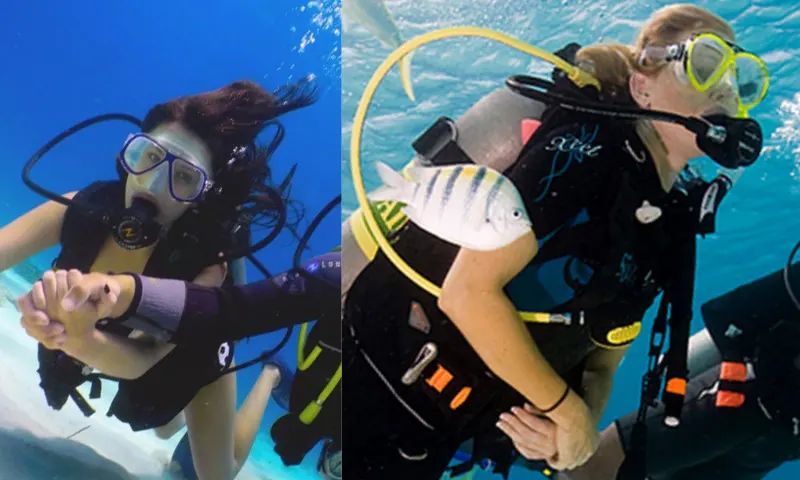
One of the most important parts of scuba diving training is the correct use of equipment. Each piece of equipment used in scuba diving, such as a mask, regulator, diving tank, weight belt, and wetsuit, is vital. Instructors demonstrate how to put on, check, and use this equipment during a dive. Safety is the fundamental principle of scuba diving training. A buddy check is always performed before diving, communication is established using underwater sign language, and emergency procedures are taught. Additionally, paying attention to dive time, depth limit, and ascent rate is very important for the body to adapt to pressure. This information is vital for both amateur and professional divers.
Scuba Diving Training: Certification Stages and Career Opportunities
Scuba diving training progresses with certification programs divided into different levels. The beginner level is generally called Open Water Diver. This level allows for safe diving up to 18 meters. In more advanced stages, certifications such as Advanced Diver, Rescue Diver, and Dive Master can be obtained. A certified diver can pursue a career not only in recreational diving but also in areas such as underwater photography, wreck exploration, or dive instructing. Scuba diving training opens the door to a new world for both personal development and professional life. Gliding freely in the silence of the sea is the most fascinating reward of this training.