
What are Electric Vehicles and How Do They Work?
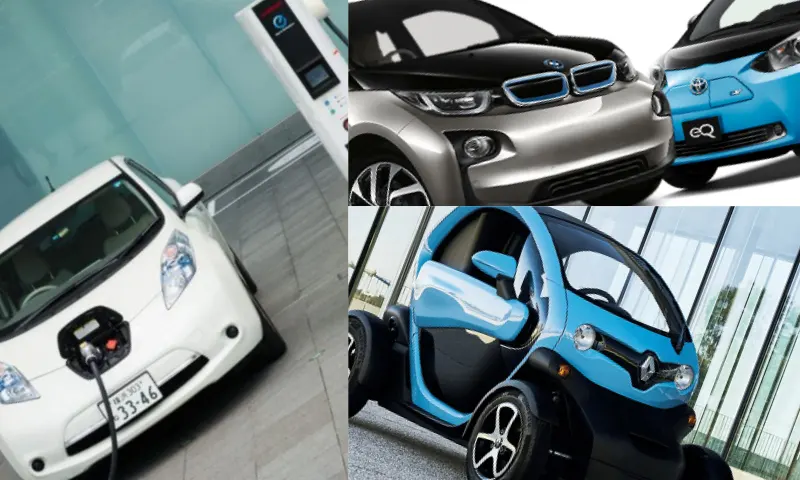
Electric vehicles (EVs) are eco-friendly transportation tools that use electrical energy as an energy source instead of fossil fuels. These vehicles operate with electric motors instead of internal combustion engines and draw their energy from rechargeable batteries. Batteries store electrical energy and provide power to the motors when needed. One of the biggest advantages of electric vehicles is that they operate with zero emissions. They reduce environmental pollution by preventing the carbon emissions caused by traditional vehicles. Additionally, electric vehicles offer a quieter driving experience thanks to their motor technology. Low maintenance costs and energy efficiency are among the reasons for choosing electric vehicles. You can examine this topic in detail by looking at the relevant online companies on internet pages to get information and ask your questions.
Advantages and Challenges of Electric Vehicles
The advantages offered by electric vehicles make them an important part of modern transportation. Their eco-friendly nature reduces the carbon footprint and minimizes noise pollution, especially in urban use. Additionally, they save energy by reducing fossil fuel consumption and lower dependence on oil. However, electric vehicles also have some challenges. The initial investment costs can be higher compared to traditional vehicles. However, battery charging times and the charging station infrastructure not yet being widespread enough in every region can create some limitations for use. With the development of technology, these problems are expected to be solved over time. For example, fast charging technologies and long-range batteries are making the use of electric vehicles even easier.
The Future of Electric Vehicles and Their Importance for Sustainability
Electric vehicles play a critical role in achieving sustainability goals in the transportation sector. Governments and the private sector offer incentives and infrastructure investments for the widespread adoption of electric vehicles. For example, many countries have practices such as tax discounts on the purchase of electric vehicles and support for charging stations. The widespread use of electric vehicles will greatly contribute to reducing air pollution in cities and combating climate change. Furthermore, their ability to work in integration with renewable energy sources further minimizes their environmental impact. In the future, the combination of autonomous driving technologies with electric vehicles could make transportation both safer and more efficient. Electric vehicles are an innovative transportation solution offering many advantages for both individuals and societies. The development of this environmentally conscious technology will play a significant role in building a sustainable future.